
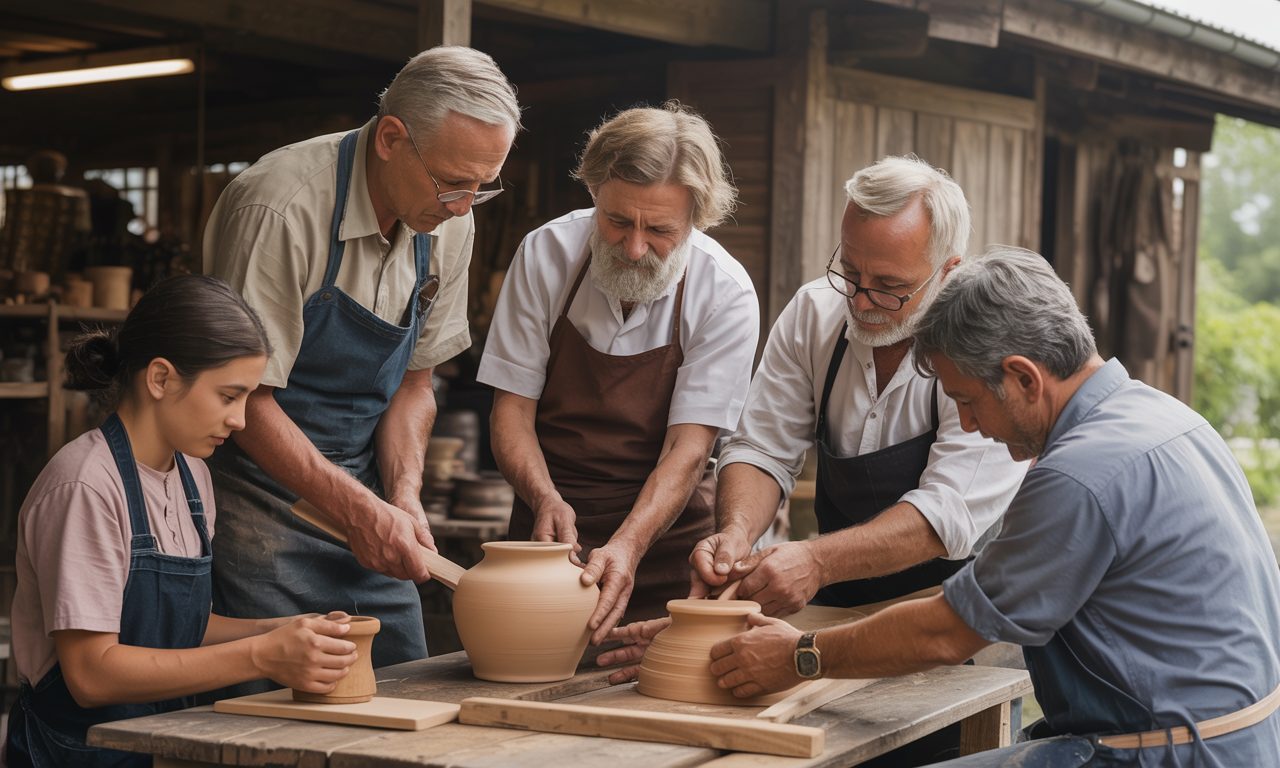
The traditional crafts sector faces a major challenge in preserving ancestral skills. In 2026, the threat of loss of these traditional skills is accentuated by economic, social and technological transformations. Intergenerational transmission is at the heart of these challenges, while globalization and market trends are profoundly changing craft practices.
The links between globalization and the decline of traditional arts and crafts
Globalization influences both access to new materials and competitive dynamics in the craft industry. While opening up markets facilitates innovation through greater diversity of resources, it also exposes local craftsmen to intense economic pressure from large-scale industrial production. This pressure is having an impact on the viability of many workshops, undermining the long-term viability of art crafts and the maintenance of specific know-how.
In some cases, traditional materials are being abandoned in favor of less expensive substitutes, compromising the authenticity and cultural value of the creations. However, globalization is also fostering renewed consumer interest in authentic handcrafted items, opening up avenues for renewed appreciation of intangible cultural heritage.
The impact of globalization on the transmission of craft skills
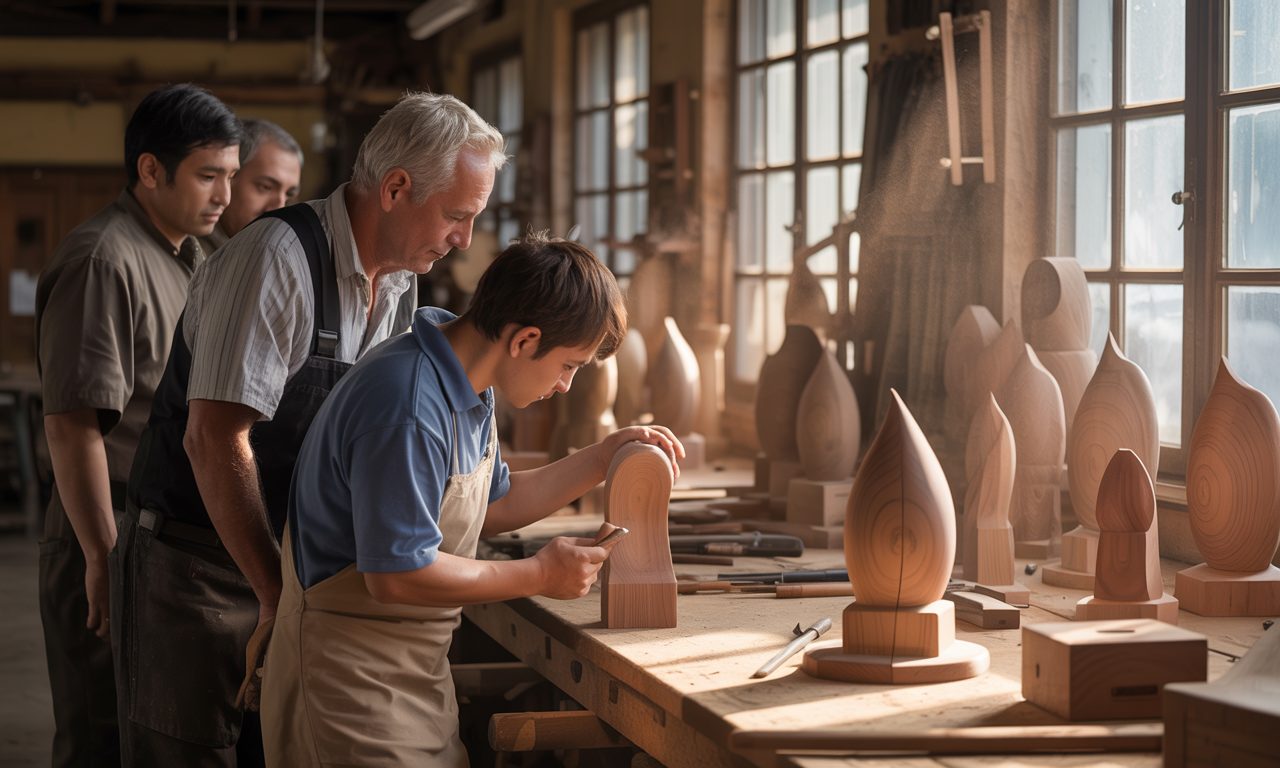
Industrial production and standardization threaten the continuity of the complex technical gestures that are traditionally passed down from master to apprentice. This deterioration in learning methods is leading to a depletion of the capital of experience that is essential to maintaining craft traditions. However, a number of initiatives are encouraging the safeguarding of this know-how by combining specialized training, digital documentation and mentoring on community platforms.
Among the most noteworthy initiatives, a number of platforms dedicated to the preservation of artisanal know-how offer decision-makers tools to effectively manage the transmission of know-how and reinforce the commitment of artisans to a sustainable approach. These solutions facilitate skills management while creating an environment conducive to intergenerational sharing.
Technological innovation as a lever for revitalizing arts and crafts
The introduction of digital technologies into craft sewing and other craft disciplines is bringing new dynamism. Computer-aided design software improves precision and simplifies the reproduction of traditional patterns, while 3D textile printing offers concrete prospects for product customization and diversification.
These developments do not distort the manual dimension of craftsmanship; they enrich the creative process by encouraging a marriage between tradition and modernity. The integration of sustainable and innovative materials also meets the growing demands of responsible consumption.
Successful integration of tradition and innovation
A French fashion house has reconciled respect for the past with technological advances. By digitizing its archives of old patterns and using laser cutting, it has optimized its processes without sacrificing artisanal know-how. At the same time, its craftsmen continue to teach these skills in training programs supported by public and private institutions, illustrating the complementary nature of conservation and progress.
Such initiatives are part of a CSR approach and offer teams a motivating environment. The adoption of dedicated digital platforms, such as those offered by alumni.space, helps to capitalize on intangible assets and structure organizational memory, thus limiting the risk of losing expertise.
Effective strategies for safeguarding and passing on craft heritage
Concrete mechanisms are in place to ensure training and exchange between generations. Institutional support, through labels and subsidies, secures the creation of dedicated learning spaces. Specialized schools and workshops impart specific skills while encouraging professional retraining adapted to contemporary needs.
The organization of specialized events, such as an annual exhibition highlighting local know-how, helps to revitalize interest in these crafts. Added to this is the creation of networks of artisans connected via community platforms, offering exchange rituals and co-optation opportunities that foster lasting integration.
These initiatives respond to the need for agile governance and the use of precise KPIs to measure the adoption of actions, the sustainability of cross-disciplinary skills and the commitment of players, with the aim of preserving a heritage that is essential to local culture and economy.
To find out more about the challenges of safeguarding artisan skills, read this full article on the current outlook for the sector.