
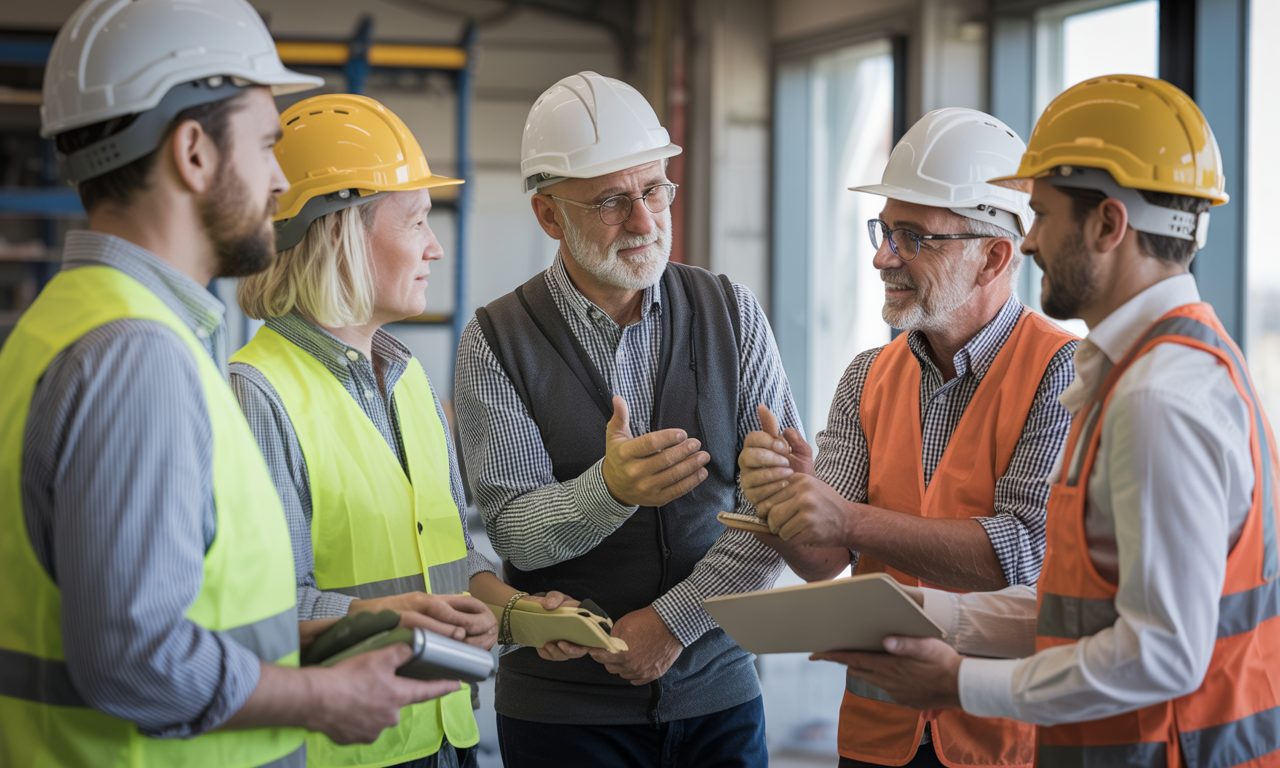
In the building and civil engineering sector, the gradual disappearance of senior employees is undermining the transmission of essential know-how. Faced with massive retirements, this situation creates a major risk of losing know-how, with immediate consequences for business continuity and talent management.
Retirement: a critical issue for knowledge continuity in the construction industry
The construction industry is currently facing a labor shortage, accentuated by an aging workforce. The retirement of experienced staff is accompanied by a significant loss of technical and strategic expertise, often acquired over many years in the field. This threatens the long-term viability of projects and the competitiveness of companies.
For decision-makers, the challenge lies in effective knowledge management to reduce this gap. Without a structured system, companies risk not only a breakdown in their business processes, but also a longer and more complex integration process for new recruits.
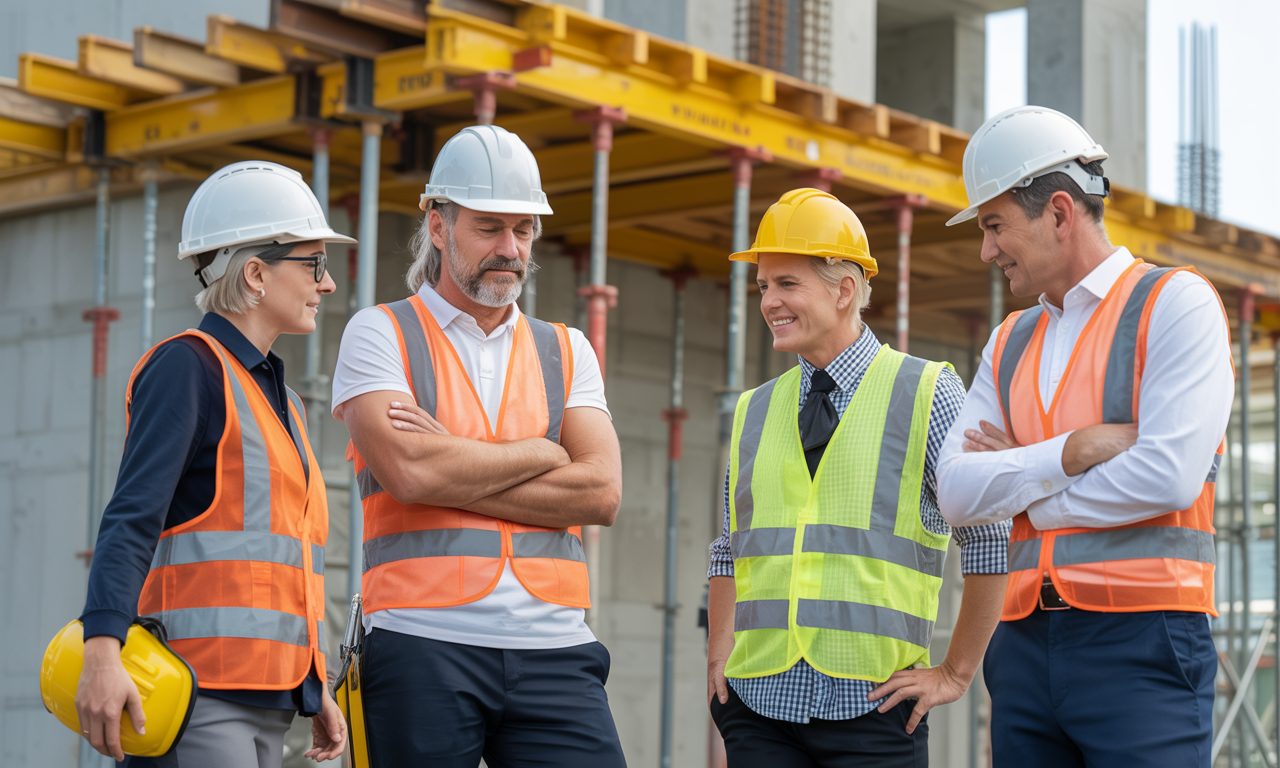
Structuring a skills transfer program tailored to the sector
A structured program is essential to ensure the continuity of know-how. In the building and civil engineering sector, this means more than simply passing on trade techniques. It also involves sharing the strategic vision and corporate culture specific to each site.
Methods such as mentoring, tutoring or cross-training are effective in supporting young employees. Regular experience-sharing sessions, for example, or the creation of technical documents, enhance the value of this invaluable expertise. This approach meets a growing demand for continuity and security within the organization itself.
Formalize and digitalize knowledge management to limit risks
Documentation plays a key role in perpetuating accumulated knowledge. The creation of guides, video tutorials or collaborative databases enables us to capitalize on the experience of senior staff and make it accessible to existing teams.
Digital platforms facilitate this process by centralizing information and providing instant access to content. Knowledge management thus becomes a powerful lever for supporting intergenerational transmission in a sector where tacit knowledge is not easily exported.
In this sense, using digital solutions integrated with talent management also makes it possible to monitor key phases of the handover, track adoption and mitigate the risk of disruption. The digital approach optimizes the time saved and avoids excessive reliance on dispersed tools such as spreadsheets.
Promoting the active role of seniors in passing on knowledge
Involving senior employees in this dynamic gives them a status that enhances their motivation. Introducing a part-time arrangement at the end of a career, or a gradual handover period, ensures effective cooperation between generations.
This direct involvement reduces the risk of losing critical skills, while providing personalized support for future managers. A structured mentoring program makes the senior member of staff a real business referent, and sheds light on the complexity of situations encountered in the field.
Reinforce skills development and internal mobility to anticipate departures
To mitigate the impact of senior staff departures, encouraging young employees to develop their expertise is a strategic priority. Offering ongoing training and pragmatic skills acquisition programs is an effective lever.
Internal mobility, meanwhile, offers opportunities for advancement and enables promising talent to move into key functions. This proactive strategy helps to anticipate needs and reduce organizational disruptions.
Maintaining expertise through the use of experienced retirees and consultants
Some companies opt for temporary collaboration with former employees as consultants or experts. This pragmatic solution enables them to continue to benefit from cutting-edge expertise during critical phases, helping to secure the continuity of their projects.
The temporary role of these senior experts is also a flexible response to fluctuations in human resources. It is a useful complement to internal knowledge management systems.
The transfer of knowledge in the building and civil engineering sector, impacted by the mass departure of older employees, requires rigorous strategic thinking and methodical implementation. For managers, instilling a culture of exchange and valuing the expertise of these employees is essential to limiting the risk of losing know-how and supporting overall performance.
The digitization of processes, skills enhancement and the active role of seniors are all levers that promote efficient and sustainable talent management in this demanding context.
Find out how you can adopt these best practices to turn constraints into growth drivers and make your business sustainable.
Optimizing the management of senior staff departures and preventing the loss of critical skills are key to building a sustainable future in the construction industry.