
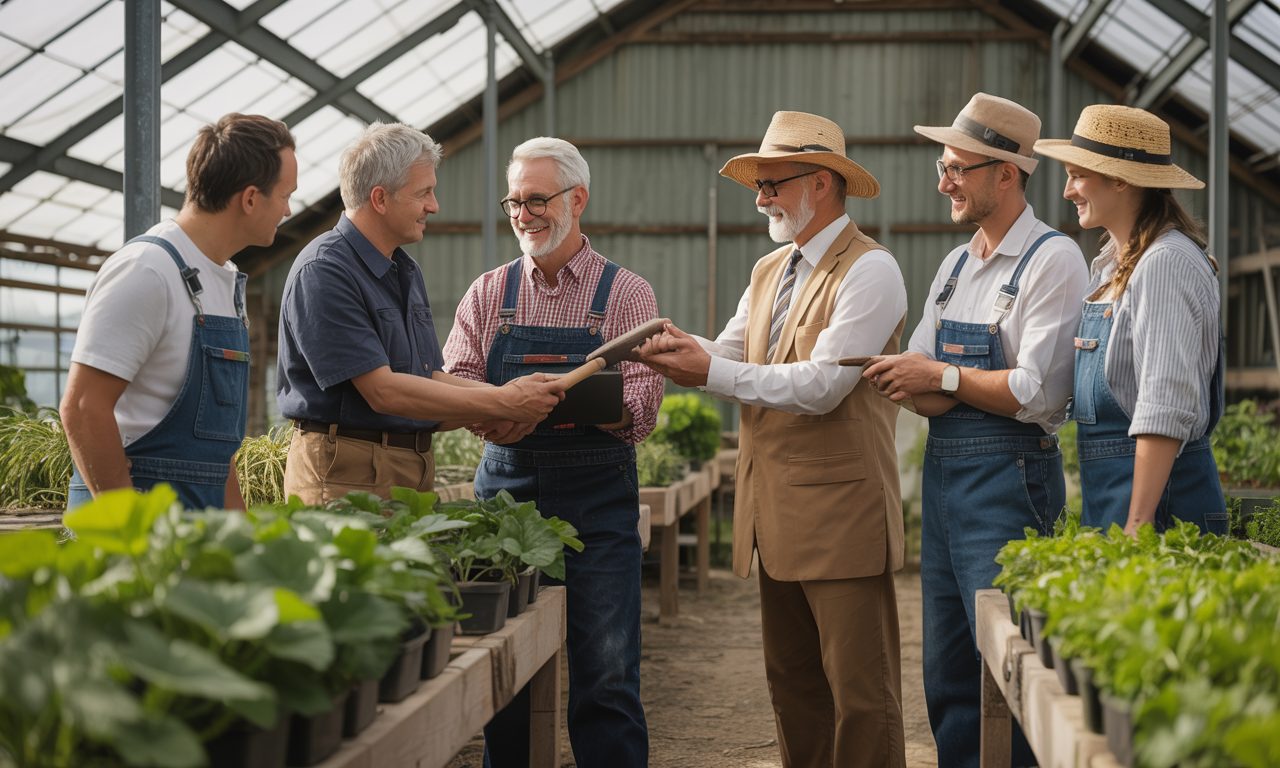
Preventing the disappearance of peasant knowledge in the agricultural sector
The agricultural sector is facing a crucial challenge: safeguarding farmers’ know-how, a veritable treasure trove for the transmission of the knowledge required for sustainable agriculture. This local know-how, rooted in the day-to-day experience of farmers, represents an indispensable lever for preserving traditions and adapting to current challenges, notably climate change and food security.
The widespread loss of traditional agricultural knowledge entails considerable economic and social risks. It has a negative impact on the ability of farms to pursue sustainable family farming, while weakening the local rural fabric. The challenge, therefore, is to establish sustainable mechanisms to ensure the continuity of these ancestral agricultural practices and the valorization of local knowledge.
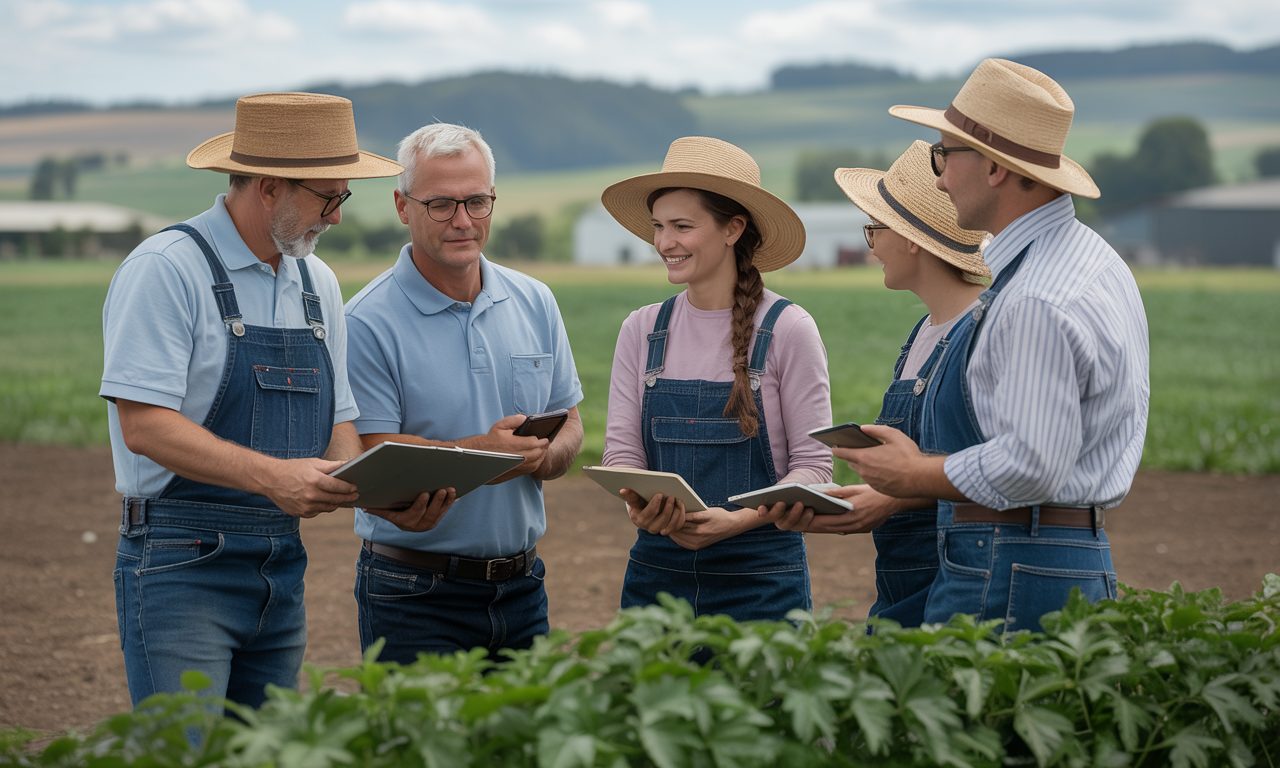
Recognition and enhancement of farmers’ knowledge for better integration
In recent years, collective initiatives have illustrated the importance of highlighting this knowledge, in relation to its specific geographical and cultural context. Specialized working groups are committed to identifying this knowledge, stimulating its use and ensuring its protection through collaboration between farmers, researchers and institutions.
A concrete impact on the development of farmer autonomy can be seen in the dynamics in which ancient knowledge inspires innovative practices, thus strengthening resilience in the face of climatic hazards. Local expertise thus becomes a driving force for agricultural innovation, fundamental to guaranteeing farm continuity and food security on a regional scale.
For example, the Transrural Initiatives dossier explores the historical and contemporary processes involved in destroying and reclaiming peasant knowledge, offering valuable methodological pointers for those involved.
Effective methods for transmitting and perpetuating farmers’ knowledge
Implementing a rigorous strategy is essential. It relies on the creation of exchange communities, the deployment of mentoring systems, and the creation of participative animation spaces to encourage intergenerational mutual aid. Today, the industrialization of knowledge sharing requires specialized platforms that avoid the need for dispersed tools, simplifying access to resources and increasing sustainable commitment.
A wide range of content – practical information sheets, podcasts, videos – accompanied by a schedule of regular rituals, ensures smooth transmission of information tailored to members’ needs. These tools are backed up by careful monitoring of key performance indicators (KPIs) to measure the impact of actions on the adoption of best practices.
In particular, this model encourages co-optation and energizes a committed, long-term alumni network rooted in authentic agricultural values. A digital solution such asalumni.space is an effective way of coordinating these operations and maximizing the time saved, while avoiding the additional costs associated with dispersed data.
Real cases and success factors for sustainable knowledge protection
In some regions, the initiative to enhance traditional know-how has resulted in a significant strengthening of local biodiversity and a significant adaptation of practices to climate change. These successes demonstrate the role of traditional knowledge in building a resilient agricultural model, combining tradition and innovation.
Close collaboration between institutional players, farmers’ collectives and community management platforms helps to avoid breaks in the transmission of knowledge. It encourages the creation of mentor-mentee pairs and boosts the associative or foundation dimension, which is fundamental to the sustainability of local networks.
Regular monitoring and well-targeted communication consolidate these dynamics, promote the ambassadors of ancestral practices and nurture a culture of commitment that is essential to agricultural continuity in the regions.