
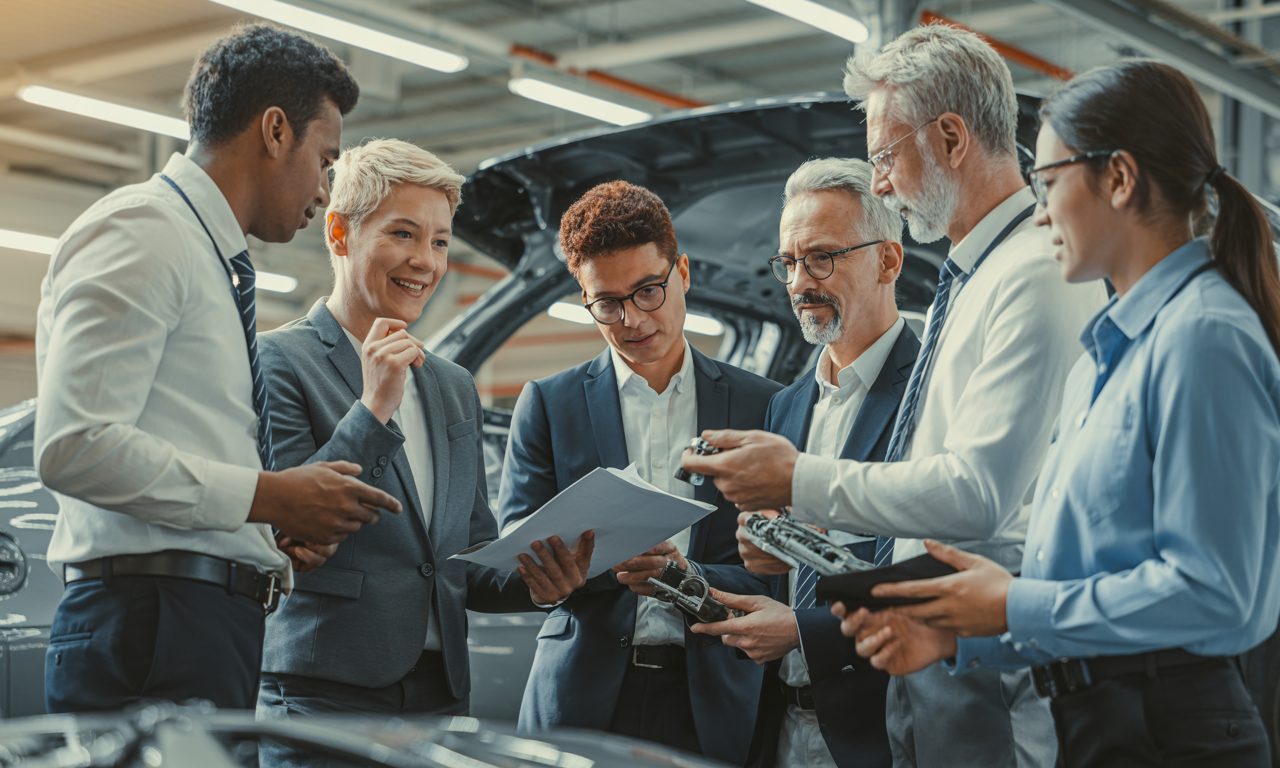
Anticipating the loss of know-how in the automotive industry: challenges and realities
The automotive industry is going through a phase of profound change, highlighting a major issue: the loss of know-how. In the face of technological change and rapidly evolving production methods, the question of how to pass on skills is becoming crucial if the industry is to maintain its long-term viability. This issue involves not only human resources, but also global strategy, particularly in terms of professional training and skills upgrading.
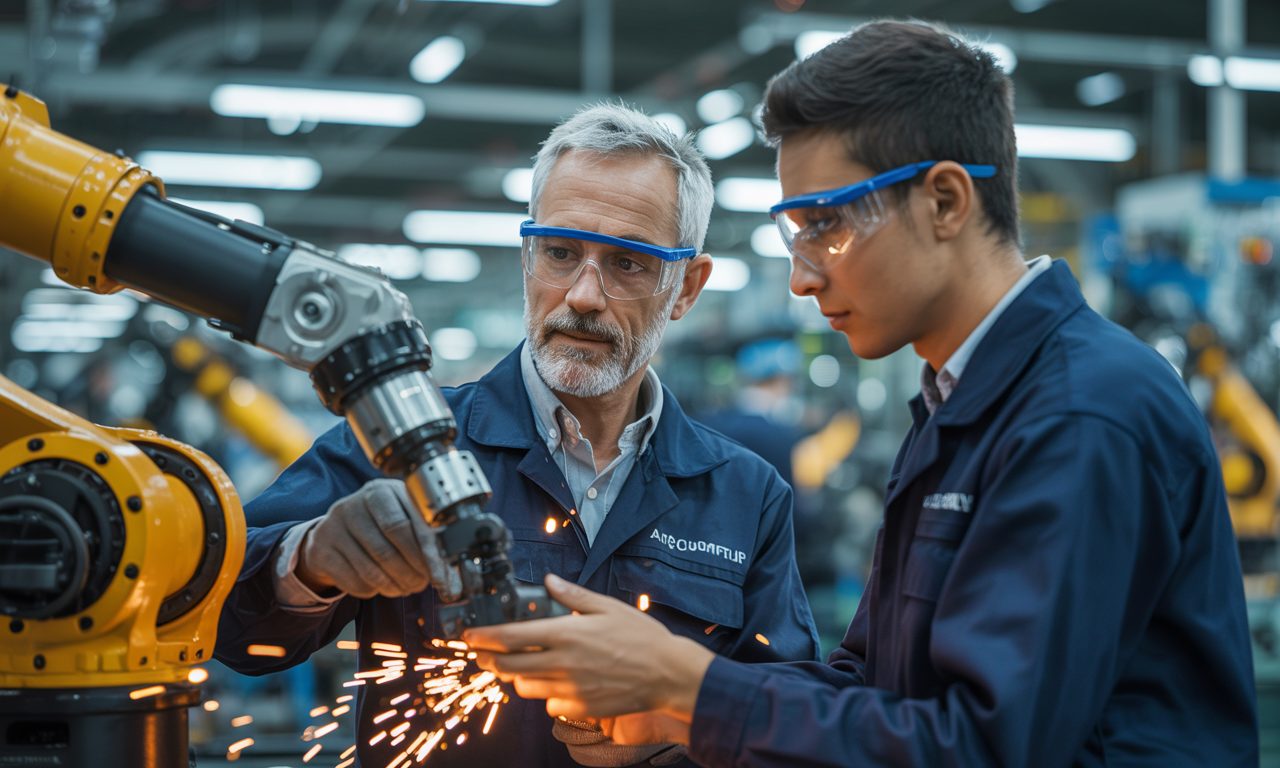
The consequences of strategic outsourcing choices on the loss of know-how
The European automotive industry has undergone structural changes marked by outsourcing strategies, particularly among large groups concentrating on their core business. These decisions, aimed at boosting profitability and share prices, have weakened local industrial subcontracting links. The former head of the Arche group, France’s leading automotive aluminum foundry, illustrates how this gradual outsourcing contributed to the disappearance of many plants, sacrificing precious know-how.
This loss has far-reaching implications: not only does it impact the industrial value chain, it also encourages the decline of specific skills, which are difficult to recreate or import. At the same time, Asian players have benefited from technology transfer, moving up the value chain through complete integration and a strong capacity for innovation at every stage of production.
To maintain a competitive edge, it is imperative to identify and address the risks associated with the loss of business knowledge. Implementing a skills transfer system, supported by digital tools for managing and animating communities, is an appropriate response.
Rapid transformation and the need for educational innovation in low-carbon mobility
The emergence of electric vehicles and the need to reduce carbon footprints are accentuating industrial complexity. The transition to lighter, more energy-efficient architectures, with an increasing proportion of bio-sourced or recycled materials, is also forcing players to review their industrial maintenance processes and their approach to vocational training.
At the same time, electronics and software are becoming increasingly important, accounting for almost 35% of the value of an electric car by 2030. This change calls for a redefinition of technical profiles and a renewal of skills linked to production techniques and innovation.
The adoption of solutions for digitalizing and animating networks of experts makes it possible to capitalize on accumulated know-how and accelerate skills upgrading, by facilitating exchanges between generations, notably through mentoring and cooptation.
Integrating the industrial community to preserve experience and support change
The loss of know-how can be mitigated by a strong community involvement policy. Reuniting former employees, forming mentor-mentee pairs and developing mutual support between professionals are essential actions for structuring organizational memory and avoiding a breakdown in transmission. This applies as much to human resources departments as to technical branches and training organizations.
Decision-makers need to steer this dynamic with clear indicators, measuring the uptake of systems and the value of shared skills. A SaaS platform for managing and animating communities facilitates this governance by federating alumni networks, events, job offers and technical expertise, thus avoiding the dispersal of tools and loss of information.
Integrating digital solutions not only optimizes the time spent on training and transferring industrial know-how, but also limits the hidden cost of forgetting essential knowledge when an expert leaves the company.
Mobilizing human resources for technological innovation and skills continuity
Current initiatives promote lifelong learning and educational innovation to support industrial transformation. In a sector faced with the relocation of production centers to Asia, winning back the industry requires more coherent integration, vocational training and talent recognition programs, as part of a reinforced dialogue between schools, CFAs, associations and companies.
Targeted co-optation campaigns, regular events and the creation of dedicated document libraries help to strengthen links between generations and support the transfer of experience capital in an increasingly digitalized industrial context.
Alumni networks appear to be a strategic lever for building talent loyalty, enhancing brand image among senior employees and fostering long-term commitment, offering continuity to know-how and the spirit of innovation within the company.
Deploying a structured approach to prevent the loss of know-how in the automotive industry
The challenge is to establish a ritual in which transmission becomes an integral part of the teams’ daily routine. Identifying critical skills, defining the roles of each player (mentors, experts, human resources), and scheduling regular cycles of exchange and training are essential.
The support provided by a collaborative platform avoids the multiplication of disparate tools and facilitates the management of these systems. The visibility offered by these systems makes it possible to track their adoption, make the most of the time invested, and adjust strategies in real time.
To extend these reflections and visualize concrete experiences of preserving know-how in industry, consult this resource which opens up avenues of action that can be applied immediately. Similarly, to integrate the industrial dimension into a community dynamic, this comprehensive overview of the sector’s transformations provides a solid framework.