
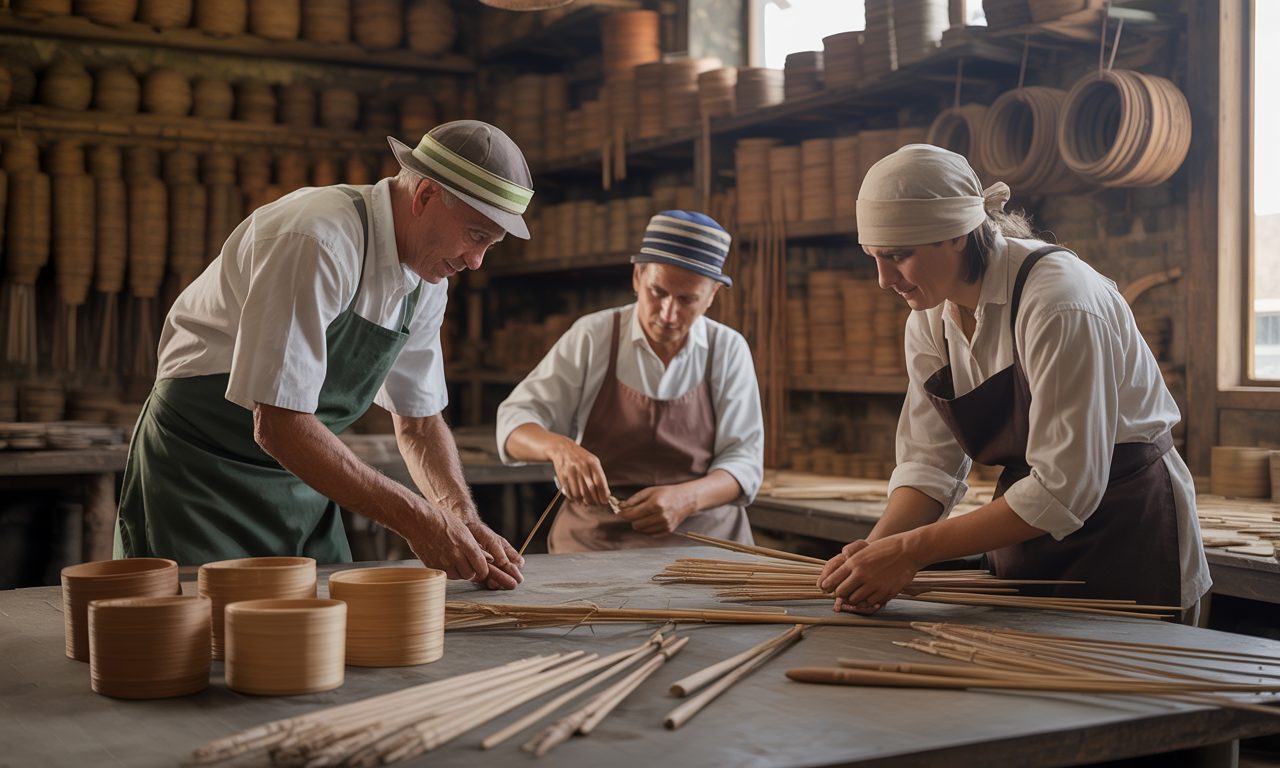
Arts and crafts embody an essential part of our cultural heritage, reflecting ancestral know-how handed down from generation to generation. Yet the sector is facing a worrying shortage of young talent, threatening the survival of traditional trades and the maintenance of these unique skills. The transmission of knowledge is thus undermined, while the decline in the number of craftsmen is causing significant losses to cultural and economic wealth.
The challenges of passing on knowledge in the arts and crafts sector
Art and craft professions require precise and often lengthy training in the craft, which has difficulty in attracting young talent. The appeal of craft jobs is waning in favor of more technological sectors or those perceived as more stable. This lack of interest is exacerbating the disaffection for these professions, despite their irreplaceable capital of experience. Against this backdrop, specialist workshops and schools are facing declining enrolments, jeopardizing the very future of traditional trades.
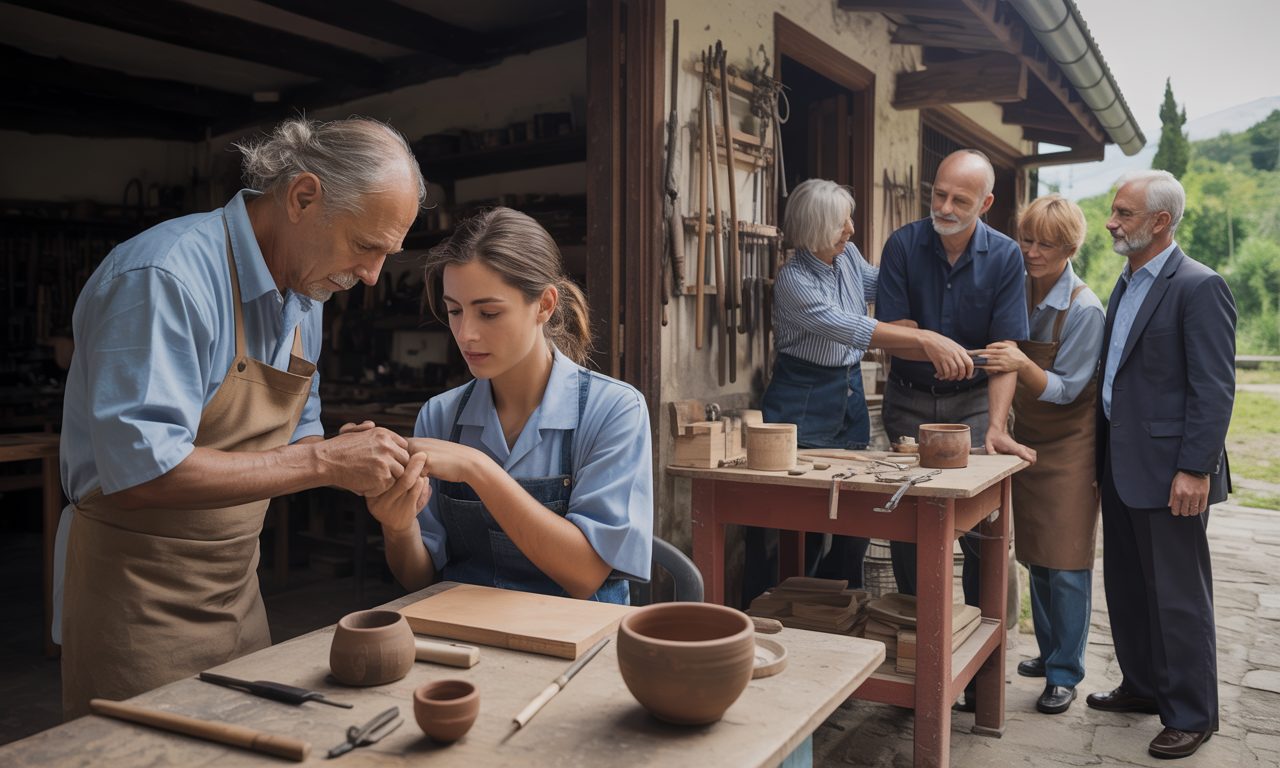
Enhancing the value of the trades, and supporting craftsmen, are essential levers for reversing this trend. The mobilization of networks and professional communities is a strategic response to strengthening the links between generations and ensuring better integration of young craftsmen.
Engaging communities to strengthen arts and crafts
Effective management of alumni and mentor networks in the arts and crafts sector helps to boost the transmission of knowledge. A SaaS platform such as alumni.space facilitates the structuring of these communities, offering tools for animation, resource sharing and event management. Bringing artisans together around common projects creates a sense of belonging and stimulates mutual support.
This strengthened link also makes it possible to optimize co-optation and the organization of appropriate training courses, drawing on expert profiles available to support the next generation. The adoption of such solutions represents a winning method for limiting the hidden costs associated with the loss of know-how, ensuring the continuity and vitality of the sector.
Mobilizing decision-makers and institutions to support craft training
The involvement of key players – schools, apprentice training centers (CFAs), associations and HR decision-makers – remains essential. They need to steer targeted strategies that encourage long-term commitment and the adoption of measures that facilitate access to traditional professions. Setting up rituals for intergenerational exchanges and giving concrete value to career paths via relevant KPIs contribute to better governance of the sector.
The link to be created between educational establishments and professional bodies has a direct impact on craft employment. For example, mentoring initiatives within alumni networks reinforce the network dynamics needed to win back the craft. The creation of a documentary library and the regular organization of specialized events are further levers for transmission.
Putting theory into practice to sustain traditional trades
A precise timetable, incorporating practical steps and clearly defined roles, helps to structure the handover. Setting up intergenerational pairs, organizing collaborative work sessions and ensuring rigorous monitoring optimize skills development. The use of a platform such as alumni.space avoids the dispersal of tools and data, saving time and increasing process control.
This system supports craftsmen in promoting their craft and animating their network. The aim is to turn each participant into an ambassador capable of making a lasting commitment to cultural heritage. These initiatives help to limit the decline in the number of craftsmen, while reinforcing the transmission of knowledge at the heart of traditional trades.
Discovering how to reduce the loss of know-how is thus becoming a priority for institutions and decision-makers committed to safeguarding arts and crafts.