
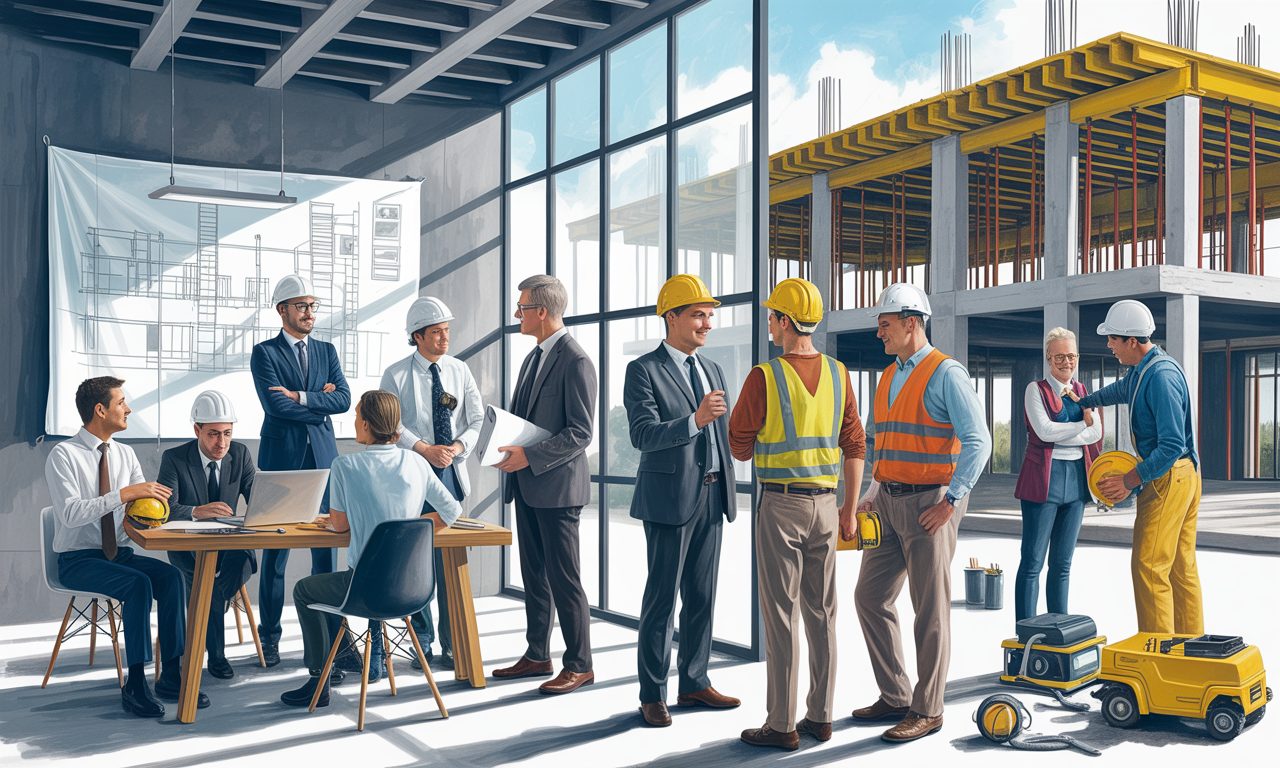
In 2026, the construction sector will be facing a skills shortage that will have a direct impact on economic growth and the ability of construction companies to innovate. This situation is the result of a significant increase in the need for skilled manpower, combined with an ageing workforce and significant recruitment difficulties. The challenge goes beyond simple hiring, requiring proactive human resources management and an integrated strategy for professional training and the transmission of technical skills.
Skills shortages in construction companies: a strategic impact on recruitment
The construction sector is experiencing a major shift in recruitment plans, with a +51% increase in hiring intentions since 2018. Despite this momentum, 80% of companies with more than 10 employees are struggling to attract the right profiles, creating severe tension in the labor market. This skills shortage not only slows down the completion of worksites, but also generates organizational risk and increased pressure on existing talent. These issues underpin the importance of an innovative approach to human resources management.
An alumni and mentoring platform, such as alumni.space, is a strategic tool. It facilitates the transfer of know-how, promotes the integration of new recruits and creates a dynamic mutual support network. In this way, the loss of knowledge associated with retirement can be mitigated, ensuring the continuity of key skills within organizations.

Aging workforce and challenges for the skilled workforce
With almost 49% of construction and civil engineering employees aged over 40, the sector is facing a major wave of retirements, particularly among the over-60s, who account for 4.4%. This dynamic is exacerbating the shortage of technical skills essential to the safe operation of construction sites.
Companies need to broaden their approach by diversifying profiles, and in particular by encouraging more women to join the workforce, which is still low at 12.1%. Women bring valuable communication and analytical skills, essential for optimizing management and safety in the field. Opening up to different neuro-profiles and to the reintegration of people far from employment also offers promising prospects for enriching the talent pool.
Vocational training and skills upgrading: essential levers to counter the shortage in the construction industry
Vocational training is at the heart of the response to the talent shortage. In 2023, new entrants to training programs in the building sector rose by 5%, with a direct impact on the return to sustainable employment. More than half of all training courses lead to stable employment, underlining the link between skills upgrading and the attractiveness of the sector.
Fast-growing sectors such as construction and finishing (+26%), electrical engineering (+24%) and organizational design (+17%) illustrate the need for new technical skills, as well as cross-disciplinary competencies. Teamwork, responsiveness and adaptability are just some of the skills required to respond to market changes, particularly in the face of the ecological and digital transition.
Professional community platforms are helping to support these developments. They offer specialized content, mentoring support and encourage co-optation, reducing the time and cost of recruitment. To explore these issues in greater depth, a number of resources are available, including detailed analyses of the situation in the construction sector in France.
Human resources management: towards a sustainable and engaging corporate culture
Companies will be able to maximize their competitiveness by relying on integrated HR governance, emphasizing working conditions and employee well-being. Providing a favorable environment stimulates commitment and helps retain talent. The challenge is to transform the current shortage of talent into a competitive advantage, by enhancing corporate culture and establishing rituals that enable knowledge to be shared on an ongoing basis.
This positioning perpetuates the professional network through the creation of sustainable communities bringing together alumni, mentors and new entrants. This model reduces the fragmentation of traditional tools and reinvents skills management in the complex context of the sector. In this respect, the use of a SaaS solution such as alumni.space is essential to industrialize this collective dynamic and strengthen employee loyalty.
These practices demonstrate in concrete terms that corporate social responsibility extends beyond the employment contract, by ensuring intergenerational transmission and supporting employability. In this way, managers gain access to key HR, CSR and communication performance indicators, to optimize their organization’s growth and resilience.
For a comprehensive analysis of the trades and recruitment issues facing the construction industry, the report ” Construction trades and recruitment challenges” provides an indispensable up-to-date overview.