
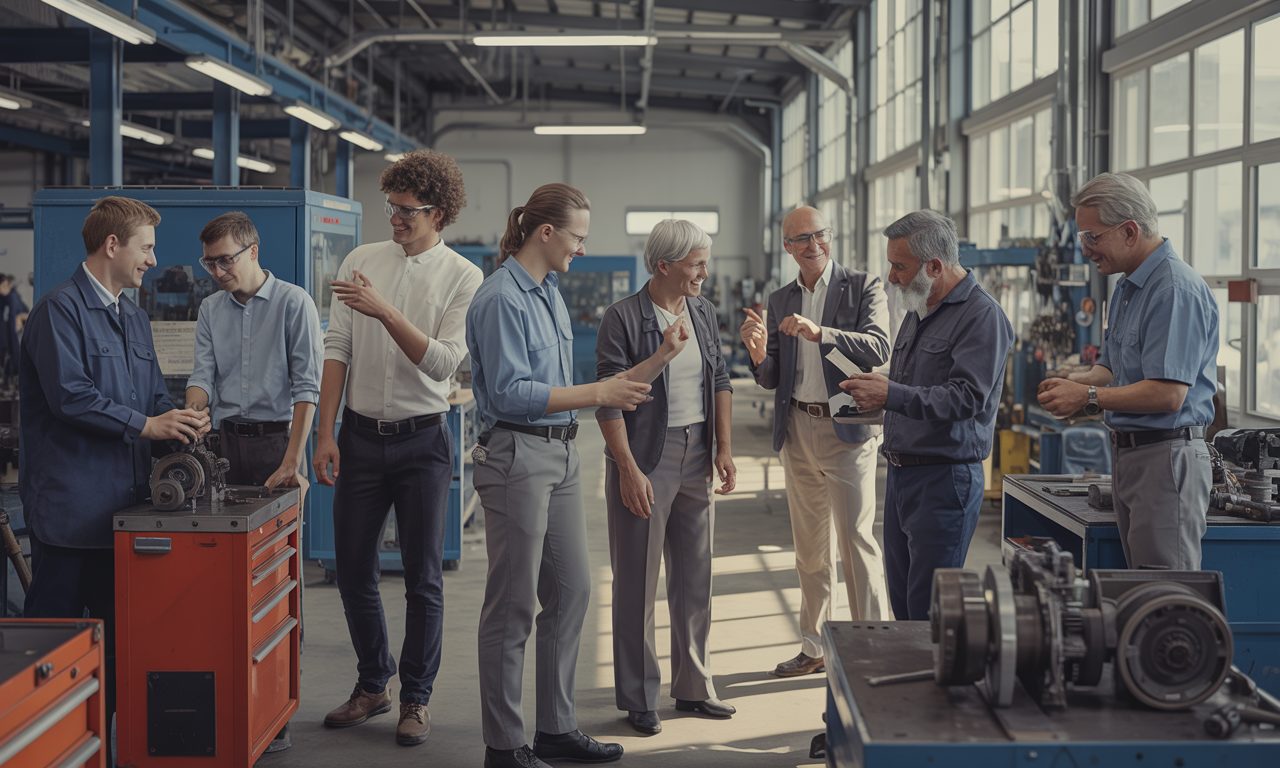
Age pyramid in mechanical engineering: a major demographic challenge
The mechanical engineering sector, a transversal pillar of the industry, faces a significant demographic challenge in 2026. The age pyramid reveals an ageing workforce, characterized by a high proportion of workers nearing retirement. This delicate balance has a direct impact on the availability of manpower, and raises concerns about the transmission of knowledge essential to technical professions.
The trend towards a workforce dominated by over-50s means that decision-makers need to manage their workforce carefully. Indeed, the increase in retirements can lead to a loss of industrial skills and know-how, which is difficult to compensate for without a proactive recruitment and training policy.
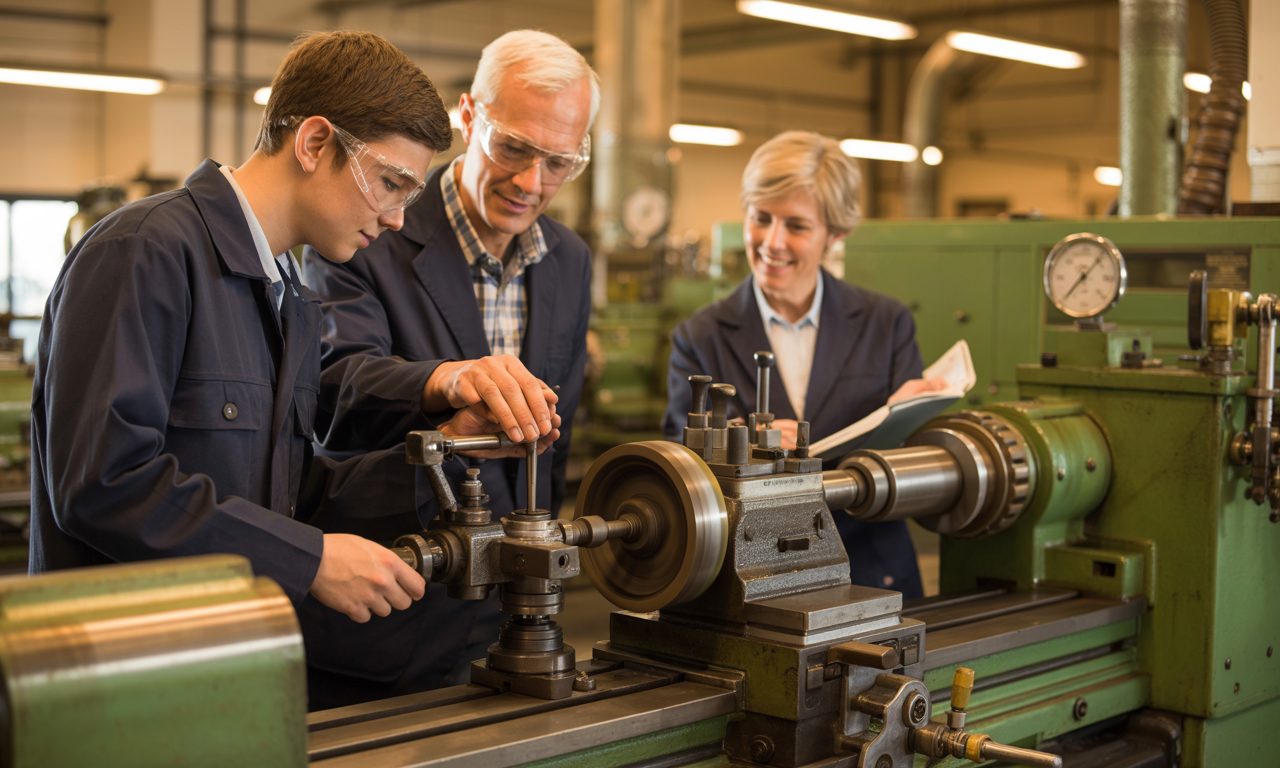
Meeting the challenge of renewing mechanical engineering skills
The sector is faced with an annual turnover of thousands of positions, a dynamic linked to the departure of older employees. This trend creates an urgent need to integrate and train young talent capable of adapting to the rapid changes in technical professions. At the same time, ongoing training is essential to maintain competitiveness and support innovation.
Managing this challenge relies heavily on effective strategies for animating the professional community. Mobilizing a network of mentors and alumni has already proved its effectiveness in ensuring continuity of expertise. This avoids wasting experience and facilitates the integration of new generations, while strengthening commitment and co-optation.
Impact of the age pyramid on recruitment and performance in technical professions
The aging of the workforce is putting pressure on recruitment capacity, amplifying already existing tensions in technical mechanical trades. This is particularly worrying in areas where the proportion of older employees is high. Companies need to anticipate this situation through innovative HR practices and precise monitoring of turnover and ageing indicators.
The consequences can also be seen in terms of innovation. An unbalanced pyramid slows down the introduction of new ideas and the adoption of disruptive technologies. The intergenerational transmission of skills is becoming a crucial lever for overcoming these obstacles, notably through structured mentoring relationships and dedicated events.
Optimizing knowledge transfer to ensure continuity and competitiveness
Maintaining experience capital requires rigorous processes to foster organizational memory. Dedicated platforms enable industrialized management of profiles, offers and events, while guaranteeing adoption in line with decision-makers’ requirements.
The creation of mentor-mentee pairs, the sharing of specialized content, and the regular organization of workshops all help to structure this dynamic. Employers and training organizations have noted a significant reduction in the risks associated with senior departures, particularly in the mechanical engineering sector, thus strengthening the bond and sense of belonging to the professional network.
To find out more about these strategies and how best to mobilize your network, visit alumni.space to discover community development solutions tailored to the age pyramid in the technical professions. This lever is essential to anticipate the loss of skills due to retirement, and act now.
Age pyramid and the changing face of mechanical engineering: anticipating future needs
Transformations linked to digitalization, automation and regulatory changes mean that skills have to be continually adjusted. Demographic dynamics complicate this task, as vocational training has to adapt to a wide range of profiles, from young entrants to senior technicians.
Identifying key skills in short supply, forecasting recruitment needs and building a forward-looking management policy facilitated by digital tools is an imperative if we are to keep pace. This approach is part of a global vision, which must take into account the demographic challenges of the age pyramid.
Combining action on junior talent, training and the development of existing experts is a guarantee of performance and the maintenance of industrial sovereignty. To find out more about this vital subject, consult the prospective analyses available on the Observatoire de la Métallurgie.