
Securing human capital in craft SMEs: a crucial challenge
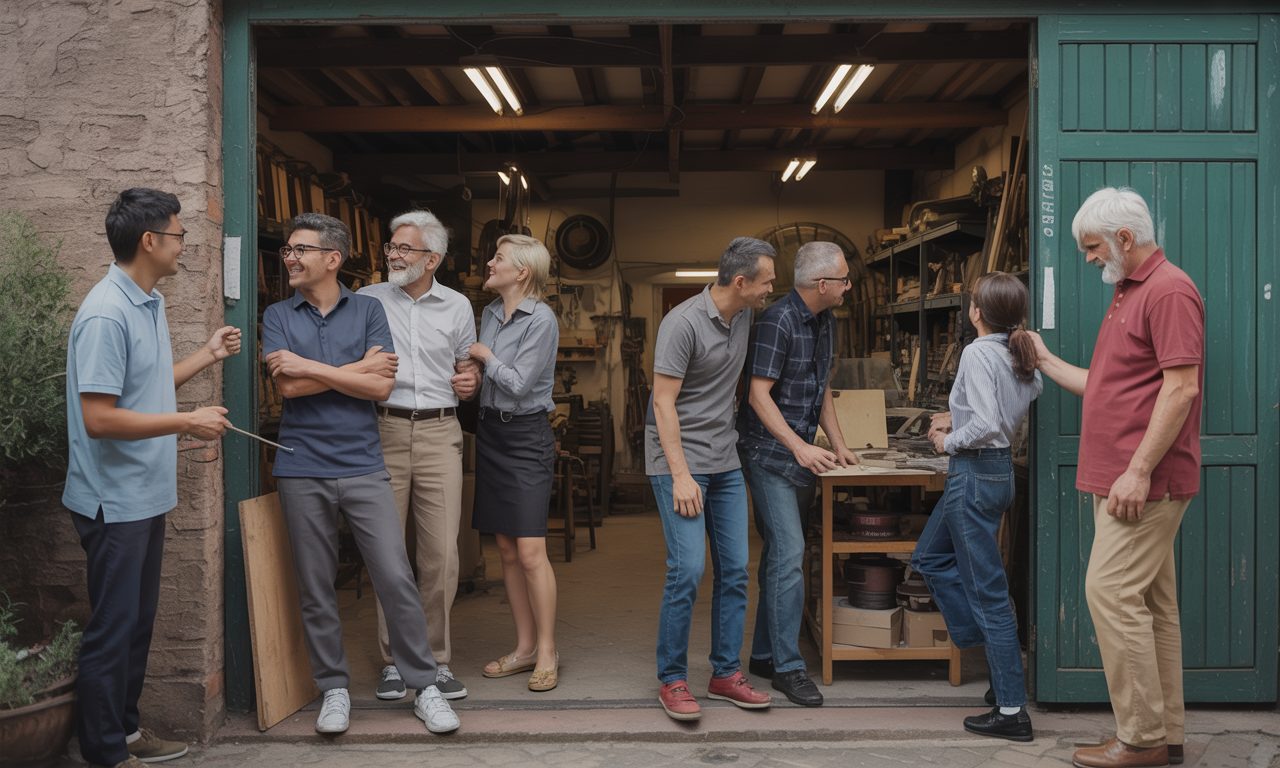
The human capital of small and medium-sized craft businesses is an essential lever for ensuring their sustainability and growth. These companies face a number of challenges, including talent management and employee retention, in a context marked by increased competition for skills and specific know-how. Failure to secure this capital can lead to the irreversible loss of key skills, impacting on continuity and competitiveness.
The craft sector, which often relies on intergenerational expertise, requires particular attention to the transmission of know-how. The adoption of modern, structured tools, such as a skills loss prevention plan, helps to ensure that the departure of employees does not lead to an amputation of the company’s intangible assets. These tools facilitate skills mapping and the implementation of appropriate knowledge management systems.
Mastering professional training and skills development
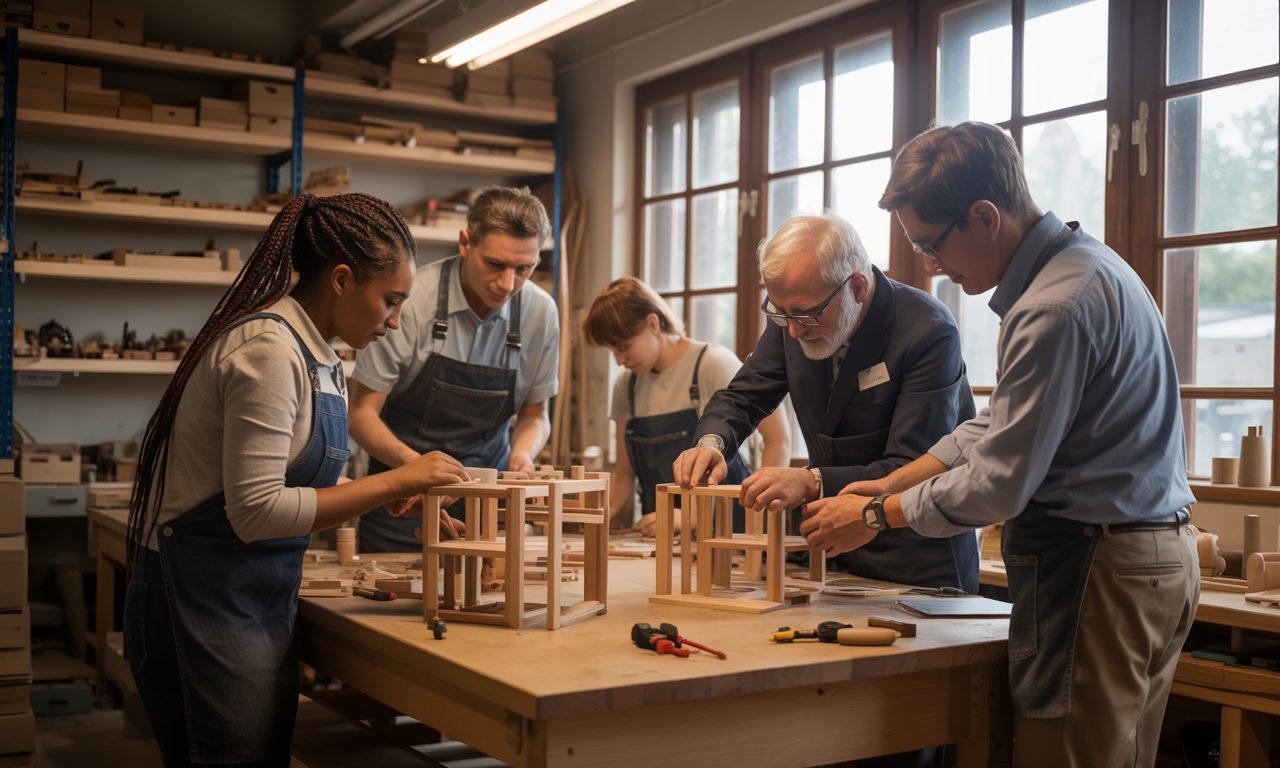
Strengthening human capital requires an active vocational training policy. Small and medium-sized craft businesses benefit both from the continuous upgrading of their teams’ skills and from the ability to integrate new generations in a constantly evolving context. This approach is part of an organizational framework that favors participative management, where employees are active players in their own careers.
Targeted training encourages improved practices, the adoption of workplace safety standards, and the acquisition of digital tools facilitating the traceability of knowledge. In this way, the implementation of a regular, tailored training schedule strengthens team commitment and secures business processes, which are essential to avoid the risks associated with skills that are not passed on.
Promoting employee loyalty for lasting safety
Employee loyalty is a key lever for stabilizing human capital in craft SMEs. This implies cultivating a stimulating work environment that respects the professional expectations of each individual, and incorporating elements of recognition and talent enhancement. CSR initiatives, combined with well-designed risk prevention, contribute to this objective by improving the quality of life at work.
In addition, the creation of a professional community around the alumni.space platform facilitates the networking of employees and former employees, supporting a dynamic of mutual aid and intergenerational transmission. This approach contributes to the continuity of know-how, while encouraging co-optation and the attraction of new, qualified resources.
Digitization to secure human capital in the craft industry
The industrialization of human capital management processes, in particular through the adoption of a dedicated platform, significantly reduces the pitfalls associated with dispersed tools and lack of follow-up. A SaaS platform such as alumni.space structures all actions – profiles, mentoring, events, job offers – bringing together in a single place the resources needed to effectively manage professional communities.
This digitization guarantees better talent management through adjusted KPIs, giving decision-makers a clear, real-time view of the state of human capital. The automation of training and follow-up rituals accelerates skills development, while minimizing knowledge loss. Those wishing to explore these methods in greater depth can consult specialized resources on securing know-how in SMEs.